Understanding Slot Gacor: Mechanisms, Myths, and Strategic Insights for Modern Gamers
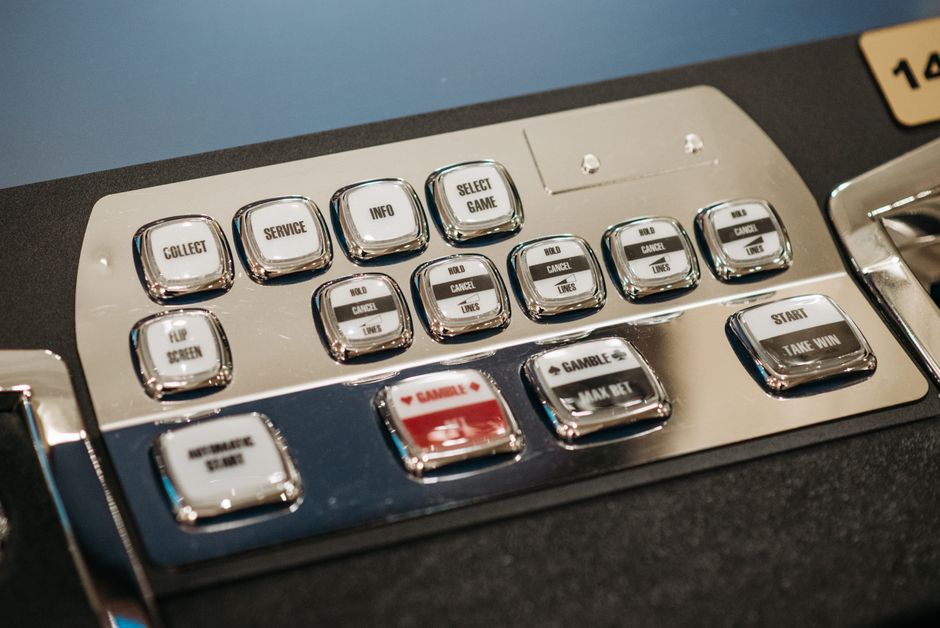
The term "slot gacor" has become a prominent fixture in both online casino discussions and land-based gaming communities, particularly across Southeast Asia. Derived from the Indonesian colloquialism "gacor" (an abbreviation of "gacokan") which traditionally refers to a bird that sings loudly and frequently, the phrase has been metaphorically adopted to describe slot machines perceived to be in a "hot" state—delivering frequent wins, high payout percentages, or consecutive bonus rounds. This article aims to provide a professional, evidence-based examination of the concept, separating substantiated mechanics from common misconceptions while offering practical guidance for players who engage with modern slot games.
The Statistical Foundation of Slot Volatility and RTP
To critically evaluate the concept of slot gacor, one must first understand the core mathematical principles governing slot machines: Return to Player (RTP) and volatility. RTP is a theoretical long-term percentage of total wagered money that a slot is programmed to pay back to players over millions of spins. For example, a slot with a 96% RTP will, in theory, return $96 for every $100 wagered over an extended period. Critically, RTP is calculated over an immense sample size, not across a single session or even dozens of spins. Volatility, or variance, describes the risk profile of a game. Low volatility slots pay out smaller wins frequently, maintaining bankroll stability. High volatility slots offer larger, less frequent payouts, with potentially longer losing streaks between significant wins. The perception of a "gacor" slot—one that appears to be paying out with unusual frequency or size—is almost always a misinterpretation of normal variance within a game's volatility spectrum. A player experiencing a favorable deviation from the statistical norm may attribute this to the machine being "hot," while in reality, it is simply a random swing within the expected distribution curve.
Debunking the "Hot Machine" Myth in Modern Gaming
The belief in slot gacor often relies on two flawed premises: that a machine has memory and that past outcomes influence future results. Modern slot machines operate using Random Number Generators (RNGs), which are continuously generating sequences of numbers even when the machine is not being played. The outcome of each spin is determined by the exact millisecond the spin button is pressed, independent of all previous spins. This means that a machine that has not paid out for 100 spins has no higher or lower probability of paying out on the 101st spin. The concept of a machine being "due" for a win is a classic gambler's fallacy. Furthermore, the idea that casinos intentionally activate or deactivate "gacor" modes on specific machines to attract or trap players is unsupported by any evidence from reputable gaming authorities or software developers. Licensed online casinos and regulated land-based establishments are subject to rigorous testing by agencies like eCOGRA, GLI, or BMM Testlabs, which verify that RNGs function correctly and that advertised RTPs are accurate. While a casino can adjust the theoretical RTP of a machine (within legal limits) before it goes live, they cannot dynamically alter payout rates mid-session without violating gaming regulations.
Practical Bankroll Management and Session Strategy
Instead of chasing the illusory concept of a slot gacor, professional players and informed enthusiasts focus on bankroll management and game selection. The most effective strategy is to select games with a high RTP—typically 96% or above—and a volatility profile that matches your personal risk tolerance and session budget. For example, a player with a $100 budget for a two-hour session would be best suited to a low or medium volatility slot, as high volatility games could quickly consume the bankroll during a cold streak without producing a single significant win. A second critical practice is setting win and loss limits. Determine before you start playing at what point you will walk away if you are winning (e.g., a 50% profit) and the maximum amount you are prepared to lose. This approach removes emotional decision-making from the session. Additionally, players should avoid the common trap of increasing bet sizes after a win or a loss in an attempt to "ride the gacor wave" or "recoup losses." Each spin is an independent event, and progressive betting systems have no impact on the RNG outcome. Using free-play or demo versions of a slot, such as those often linked from platforms like slot gacor, can also be a valuable tool for understanding a game's bonus mechanics and volatility without financial risk.
The Role of Game Features and Modern Slot Design
Modern slot games are designed with sophisticated psychological triggers that can reinforce the illusion of a gacor state. Features such as cascading reels, expanding wilds, instant-win pick-and-click bonuses, and frequent small-win animations create a sense of engagement and action. A slot may award a win on a high percentage of spins (hit frequency) but these wins may only be tiny fractions of the total bet—a design common in low-volatility games. A player unfamiliar with hit frequency might interpret every other spin awarding a 0.5x return as "gacor," when in reality the game is simply structurally designed to deliver small rewards often. Conversely, premium slot games like those from Pragmatic Play, Habanero, or Spadegaming feature significant volatility swings that can produce long dry spells followed by massive multipliers. The key takeaway is that what feels like a "gacor" session is often just a game whose statistical profile aligns with the player's short-term experience. By understanding these design patterns rather than attributing them to luck or a mystical state, players can make more rational decisions about when to increase bet sizes, when to switch games, and when to cash out. Ultimately, the most sustainable approach to slot gaming is to view it as entertainment with a statistical cost, and to treat any short-term variance—positive or negative—as an expected part of the experience rather than a signal of the machine's state.